23 Aug 2026
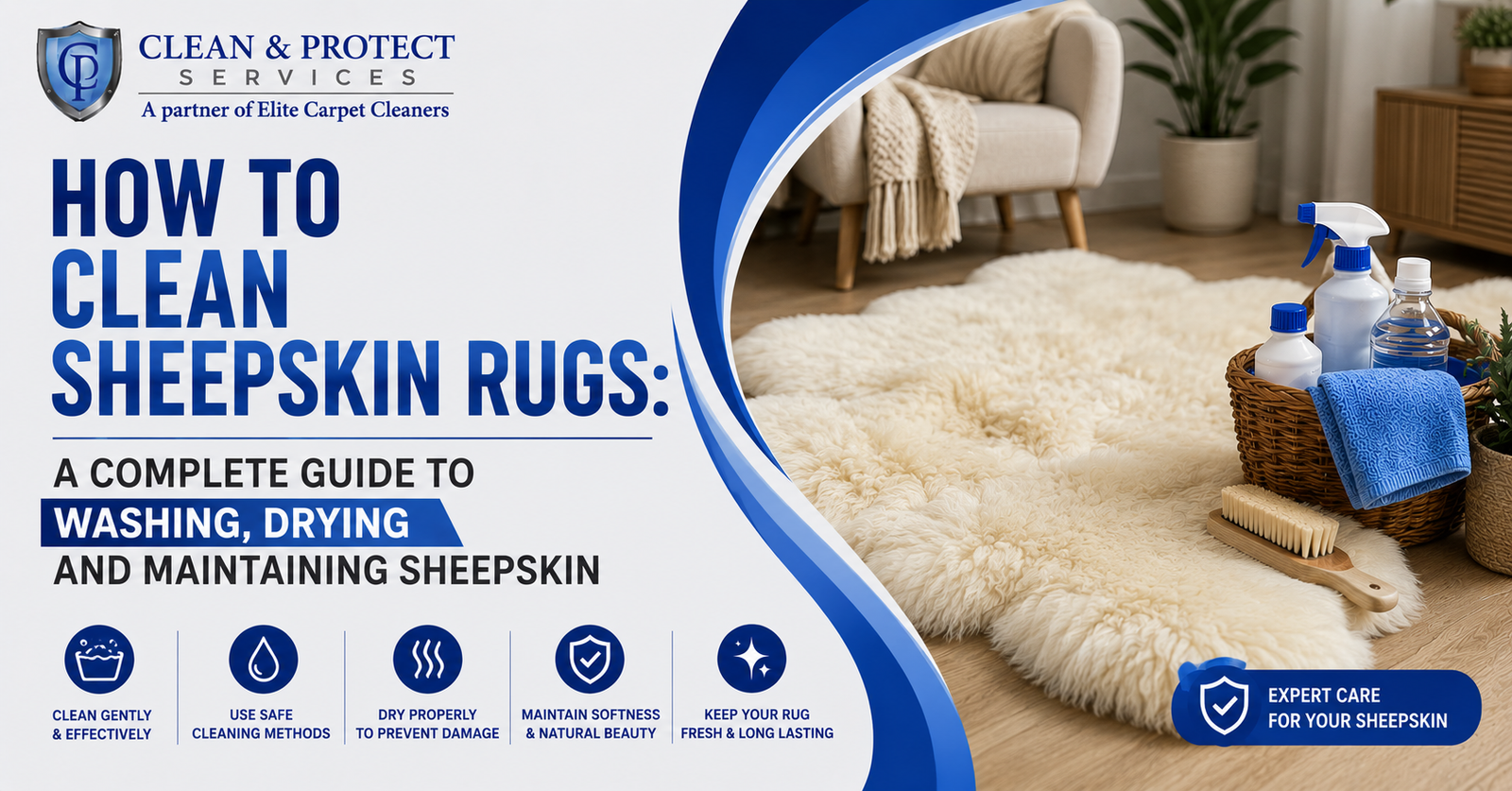
Sheepskin rugs are valued for their naturally soft wool, warmth and distinctive appearance. They can make a bedroom, living room or nursery feel more comfortable, but their natural construction also means they need more careful cleaning than ordinary synthetic rugs. A sheepskin rug consists of wool fibres attached to a natural hide, so excessive water, strong detergents, heat and rough handling can affect both the wool and the leather backing.
Knowing how to clean a sheepskin rug properly can help you remove everyday dust, dirt, stains and odours without unnecessarily damaging the fibres or hide. In many cases, regular maintenance and careful spot cleaning are enough to keep a sheepskin looking fresh. However, a heavily soiled, valuable, dyed or delicate sheepskin may require professional cleaning rather than an aggressive DIY treatment.
This guide explains how to clean sheepskin rugs safely, how to deal with spills and stains, whether you can wash a sheepskin rug in a washing machine, how to dry it correctly, which household cleaning products to avoid and when professional rug cleaning is the better choice.
Sheepskin is different from a conventional area rug because the wool and hide are naturally connected. The wool provides the soft, fluffy surface while the leather side forms the backing. Both materials can react to moisture and cleaning products.
Wool naturally contains lanolin, a substance that contributes to its softness and helps protect the fibres. Strong detergents or inappropriate cleaning chemicals can strip away some of these natural characteristics and affect the texture of the wool.
The leather backing also requires care. Excessive moisture can cause the hide to become stiff, shrink or lose its original shape as it dries. High temperatures can increase the risk of damage, particularly if the rug is dried against a radiator or exposed to intense heat.
For this reason, cleaning a sheepskin rug is less about using powerful chemicals and more about using the correct method for the material. Gentle maintenance performed regularly is generally preferable to repeatedly soaking the rug whenever it becomes visibly dirty.
For routine maintenance, you usually do not need to wash the entire sheepskin rug. Removing loose dirt and allowing the wool fibres to recover naturally can often make a noticeable difference.
Start by taking the rug outdoors if weather conditions allow and gently shaking it to release loose dust and particles. Avoid beating it aggressively because excessive force can pull or break wool fibres and place unnecessary stress on the hide.
You can also use a vacuum cleaner, but care is important. Avoid aggressive rotating brush heads or beater bars that may pull at the wool. A suitable upholstery or gentle suction attachment can be a better option.
Move the vacuum gently in the direction of the wool rather than repeatedly working against it. Pay particular attention to areas that receive regular foot traffic because these sections tend to collect more dry soil.
Regular dry maintenance is important because dirt that remains in the wool can gradually work deeper between the fibres. Removing it before it accumulates reduces the need for intensive wet cleaning later.
If your sheepskin has accumulated more than ordinary surface dust, begin by determining what type of dirt you are dealing with. Dry dirt can often be removed without introducing water, while sticky or liquid stains may require careful spot treatment.
For dry dirt, allow any damp material to dry before attempting to remove it. Once the dirt has dried, gently loosen it with your fingers or an appropriate soft brush and then remove the particles using gentle vacuuming.
Avoid scraping the wool aggressively. The objective is to loosen the dirt, not pull at the individual fibres.
If the entire rug appears dull or dusty but does not have significant staining, thorough dry cleaning and gentle grooming may be all that is necessary. This approach is preferable to washing a sheepskin simply because it looks slightly less fresh than when it was new.
The best time to treat a spill is immediately after it happens.
If a drink, food or another liquid has been spilled on the wool, use a clean absorbent cloth to gently blot the area. Press down and lift rather than rubbing the stain from side to side.
Rubbing can push the liquid deeper into the wool and may cause the fibres to become tangled or felted.
Continue blotting with clean sections of the cloth until you have removed as much liquid as possible. Once the excess has been absorbed, you can gently wipe the affected wool with a damp cloth if the material has left residue behind.
Avoid pouring water directly onto the rug. A controlled amount of moisture is much easier to manage than a soaked section of sheepskin.
If the spill is oily, strongly coloured or has already dried, avoid repeatedly applying household cleaning products. Some substances can interact with the wool or hide in ways that are difficult to reverse.
Food stains can be particularly difficult because they may contain oils, sauces, colourants and proteins.
If food has fallen onto the rug, carefully remove any solid material first. Use a spoon or another blunt object if necessary, taking care not to pull the wool.
For a fresh liquid component, blot gently with an absorbent cloth.
If a small amount of residue remains, use a clean cloth that has been lightly dampened with water and gently work on the affected fibres. Avoid saturating the area.
It is important to resist the temptation to scrub harder when a stain does not immediately disappear. With wool, aggressive rubbing can cause a different problem by damaging or matting the fibres.
If the stain remains visible after gentle treatment, professional cleaning may be safer than applying progressively stronger household products.
Pet accidents require prompt attention because urine can produce a persistent odour and may penetrate beyond the wool into the hide.
Begin by blotting as much of the liquid as possible using clean absorbent towels. Do not rub the area because this can spread the urine further through the wool.
Once the excess moisture has been absorbed, avoid flooding the rug with water in an attempt to rinse the urine away. A sheepskin’s leather backing can be adversely affected by excessive moisture.
If the smell remains after careful surface treatment, the contamination may have penetrated deeper into the hide. In that situation, repeated DIY cleaning may not solve the underlying problem.
Professional rug cleaning can be a better option when pet urine has soaked deeply into the sheepskin or when a strong odour continues after the rug has dried.
Whether a sheepskin rug can be washed depends on the specific product, tanning process, size and manufacturer’s care instructions.
Some commercially produced sheepskin rugs are specifically labelled as washable, while others should only be professionally cleaned. Therefore, you should always check the care label before attempting to wash the entire rug.
If the manufacturer specifically allows washing, follow those instructions exactly. Do not assume that a method suitable for one sheepskin will automatically be suitable for another.
A natural sheepskin should generally not be treated like a normal fabric rug. The hide can react to water, heat and detergents, so washing the entire rug without confirming that it is suitable can lead to shrinkage, stiffness or changes in shape.
For an expensive, antique, dyed or particularly delicate sheepskin, professional cleaning is generally the safer approach.
Some machine-washable sheepskin rugs are designed for this purpose, but many should not be placed in a washing machine.
The weight of a wet sheepskin can increase considerably, and mechanical agitation can put stress on the wool and hide. If the rug is not specifically designed to withstand machine washing, the process may cause shrinking, distortion, matting or stiffness.
Always follow the manufacturer’s care instructions rather than relying on a generic washing-machine cycle.
If the label says the sheepskin is machine washable, use only the recommended cycle, water temperature and detergent. If the care instructions do not permit machine washing, do not attempt it simply because the rug appears small enough to fit inside the machine.
Regular laundry detergent is not automatically appropriate for sheepskin.
Wool fibres can be sensitive to strong detergents, enzymes and other cleaning ingredients. A product designed for ordinary clothing or synthetic fabrics may not provide the appropriate treatment for wool and natural hide.
If washing is permitted by the manufacturer, use a product specifically recommended for sheepskin or wool and follow the care instructions carefully.
Avoid using more detergent than necessary. Excess cleaning product can be difficult to rinse completely and may leave residue within the wool.
Dish soap is designed primarily to break down grease on dishes and kitchen surfaces. It should not automatically be considered suitable for wool and natural leather.
Although a small amount might appear to remove a stain, the product could affect the wool’s natural characteristics or leave residue behind.
For a valuable or delicate sheepskin, it is better to use a product specifically designed for the material or seek professional advice rather than experimenting with household detergents.
Vinegar is often suggested as a DIY solution for household stains and odours, but it should not be treated as a universal cleaner for sheepskin.
The wool and hide can respond differently to acidic solutions depending on how the sheepskin was processed and finished. An unsuitable solution could alter the texture or colour.
If you are considering any homemade cleaning solution, check the manufacturer’s care instructions first and test it in a hidden area where possible.
For dyed, antique or valuable sheepskins, professional treatment is generally preferable to experimenting with homemade remedies.
Baking soda is sometimes used to absorb odours from household materials, but it needs to be used carefully on a wool rug.
Fine powder can become trapped between dense wool fibres and may be difficult to remove completely. It also does not address the source of a deep odour.
If a sheepskin smells because of moisture, urine or another substance that has penetrated the hide, simply covering the surface with baking soda may only provide a temporary improvement.
The better approach is to identify and remove the source of the odour and ensure the rug is thoroughly dried.
If your sheepskin is specifically suitable for hand washing, the cleaning process should be gentle and controlled.
Begin by preparing a suitable cleaning solution according to the manufacturer’s instructions. Avoid using excessively hot water because high temperatures can affect wool and natural hide.
Immerse the rug only if the care instructions specifically allow full washing. Avoid vigorous agitation or rubbing.
Gently move the water through the wool rather than scrubbing it.
After cleaning, rinse carefully according to the manufacturer’s instructions until the cleaning solution has been removed. Avoid twisting or wringing the sheepskin because the weight of wet wool can place significant stress on the hide.
Instead, support the rug and allow excess water to drain before beginning the drying process.
Drying is one of the most important stages of sheepskin care.
Never wring a wet sheepskin rug like a towel. Twisting can distort the hide and place excessive stress on the connection between the wool and leather.
After washing, allow excess water to drain naturally. You can gently press the rug between clean towels to absorb some moisture, but avoid aggressive squeezing.
Lay the rug flat in a well-ventilated area and allow it to dry naturally.
Avoid placing it directly on a radiator, heater or other strong heat source. High heat can cause the leather side to dry unevenly and may contribute to stiffness or shrinkage.
Strong direct sunlight should also be avoided if it could cause fading or excessive heat.
While the rug is drying, gently reshape it so that it retains its original form. Once the wool is partially dry, carefully grooming the fibres can help prevent them from becoming permanently matted.
A sheepskin may take considerable time to dry depending on its thickness, the amount of water used and the surrounding conditions. Do not rush the process by applying intense heat.
A sheepskin that becomes stiff after washing has usually been affected by moisture, drying conditions or the cleaning process.
The leather backing can naturally become firmer as it dries, particularly if it has been exposed to excessive water or heat.
To reduce the risk of stiffness, avoid unnecessary washing and follow the manufacturer’s cleaning instructions closely.
When a sheepskin is wet, handle it carefully and allow it to dry gradually. Avoid direct heat and avoid leaving it folded while damp.
If the hide has already become significantly stiff after cleaning, additional DIY treatment may make the situation worse. A professional rug specialist can assess the condition and determine whether the hide can be safely restored.
Regular grooming can help maintain the appearance of sheepskin wool.
After the rug has completely dried, gently loosen the wool using a suitable soft brush or sheepskin grooming tool. Work carefully rather than repeatedly brushing aggressively.
If the wool has become slightly compressed from foot traffic, gentle grooming can help separate the fibres and restore some of their natural appearance.
Avoid brushing a wet sheepskin aggressively because wet wool is more vulnerable to stretching and damage.
Keeping the rug clean through regular dry maintenance is also important. Dirt and fine particles trapped among the fibres can make the wool appear dull and less fluffy over time.
A mild natural smell can be normal for a sheepskin, particularly when the rug is new. However, a strong or unusual odour may indicate moisture, contamination or another underlying problem.
Begin by allowing the rug to air in a dry, well-ventilated area. Avoid placing it in intense heat.
If the odour is caused by a recent spill, deal with the source rather than attempting to cover it with fragrance.
Pet urine and other liquids can be more difficult because they may penetrate the wool and reach the hide.
If an odour persists after the rug is completely dry, professional cleaning may be necessary to address contamination that cannot be reached through surface treatment.
Sheepskin rugs generally benefit from regular light maintenance rather than frequent deep washing.
How often you vacuum or shake the rug depends on where it is located and how much use it receives. A sheepskin beside a frequently used bed or sofa may accumulate more dust and hair than one placed in a decorative area with little foot traffic.
Small spills should be treated immediately rather than waiting for a scheduled cleaning.
Full washing should not be performed simply because a particular number of months has passed. Instead, follow the manufacturer’s care instructions and consider the rug’s actual condition.
Unnecessary wet cleaning introduces moisture into a natural material, so prevention and regular dry maintenance are important parts of long-term care.
One of the most common mistakes is assuming that a sheepskin can be cleaned in the same way as an ordinary synthetic rug. Its wool and leather construction require more careful treatment.
Another mistake is soaking the rug without checking whether full washing is permitted. Excessive water can affect the leather backing and make drying difficult.
Aggressive scrubbing should also be avoided. Wool fibres can become tangled or felted when exposed to excessive friction.
High heat is another risk. Placing a wet sheepskin directly on a radiator or using intense heat to speed up drying can cause uneven drying and potentially affect the hide.
Using strong household chemicals is equally risky. Bleach, harsh detergents and unsuitable stain removers can damage the wool or alter its colour.
Finally, avoid folding or storing the sheepskin while it is damp. Moisture trapped inside the wool can contribute to unpleasant odours and other problems.
Professional cleaning is worth considering when a sheepskin has heavy staining, persistent odours, extensive contamination or damage that cannot be addressed safely at home.
It is particularly sensible for expensive, antique, dyed or unusually shaped sheepskins. The cost of replacing a valuable rug can be much greater than the cost of having it professionally assessed and cleaned.
Professional cleaners can assess the construction and condition of the rug before selecting a cleaning process. This is important because different sheepskins may have different tanning, dyeing and finishing characteristics.
Professional treatment is also useful when pet urine, spilled liquids or other contamination has penetrated deeply into the wool and hide.
If you need professional assistance with maintaining rugs and other floor coverings, Clean and Protect can help you explore appropriate cleaning and protection services rather than relying on potentially damaging DIY methods.
Once a sheepskin has been properly cleaned and completely dried, prevention becomes the best form of maintenance.
Keep the rug away from unnecessary moisture and deal with spills as soon as they happen. Regularly remove dust and loose dirt so that it does not become embedded in the wool.
If the rug is placed in an area with heavy foot traffic, consider whether moving it periodically could reduce uneven wear.
You should also avoid placing wet shoes, damp clothing or other moisture sources directly on the sheepskin.
If you are considering a protective treatment, make sure the product is specifically suitable for sheepskin and natural wool. A generic carpet protection product should not automatically be assumed to be appropriate for a natural hide.
Yes, routine dust removal and small spills can often be handled carefully at home. However, full washing should only be attempted if the manufacturer’s instructions specifically allow it.
Some sheepskins are manufactured to be machine washable, but others are not. Always check the care label before using a washing machine. If machine washing is not specifically permitted, professional cleaning is safer.
Standard steam cleaning should not automatically be used on sheepskin. Heat and moisture can affect the wool and leather backing. Check the manufacturer’s instructions or consult a professional rug cleaner.
Normal human shampoo should not automatically be used because its formulation may not be appropriate for wool and natural hide. A product specifically designed for sheepskin or wool is a better option when washing is permitted.
Once the rug is completely dry, gently groom the wool with an appropriate soft brush. Avoid aggressive brushing, particularly if the wool is tangled or damaged.
Stiffness can occur when the leather backing has been exposed to excessive moisture, heat or unsuitable cleaning conditions. Additional washing may make the problem worse, so professional assessment can be useful.
Identify and remove the source of the odour, treat any affected area appropriately and allow the rug to dry completely. If the smell persists, the contamination may have penetrated into the hide and require professional treatment.
Vinegar should not be treated as a universal sheepskin cleaner. Always check the manufacturer’s instructions and test any cleaning solution before applying it to a visible area.
Baking soda may become trapped in dense wool fibres and does not necessarily remove the source of a deep odour. Use caution and follow the rug manufacturer’s care instructions.
Drying time depends on the rug’s thickness, how much moisture it has absorbed, ventilation and environmental conditions. Allow it to dry naturally and completely rather than using intense heat to speed up the process.
Cleaning a sheepskin rug successfully requires a gentler approach than cleaning an ordinary area rug. Because sheepskin combines natural wool with a leather hide, excessive water, heat, friction and harsh cleaning chemicals can create more problems than they solve.
For everyday maintenance, regular gentle vacuuming and careful removal of loose dirt can keep the rug looking fresh without requiring frequent washing. When a spill occurs, prompt blotting is usually better than rubbing or soaking the affected area.
If the manufacturer’s instructions allow washing, follow them carefully and use an appropriate wool or sheepskin cleaning product. Never assume that a method suitable for another rug will also be safe for sheepskin.
Most importantly, take care when drying. Avoid wringing, strong heat and unnecessary exposure to intense sunlight, and allow the rug to dry gradually with good airflow.
Ready To Get Started
Error: Contact form not found.
Error: Contact form not found.
Clean and Protect Carpet Dry Cleaning Company in Perth supplies notable carpet cleaning with a one 100% delight assure. Our skilled team uses the state-of-the-art techniques to easy your carpets fast, efficaciously, and safely.
Copyright © Clean and Protect Carpet Dry Cleaning . All rights reserved
Error: Contact form not found.


 perthnw@elite.com.au
 1300-012-0013